
Updating AI-Generated Help Articles After Product Changes
Updating AI-generated help articles requires a controlled comparison between published instructions and current product behavior. The workflow starts with release evidence, identifies affected pages, and moves revisions through testing, expert approval, and version-controlled publication.
AI can accelerate comparison and drafting, but product accuracy remains a human responsibility. The first task is establishing exactly what changed, for whom, and when.
Key Takeaways
Map product changes to customer tasks, including related FAQs, screenshots, translations, and chatbot sources.
Ground AI revisions in approved evidence, then test instructions under the documented permissions and product version.
Preserve approval records and rollback copies, and connect future releases to documentation ownership.
1. Establish the Product Change Before Editing
Build a release evidence packet
A documentation update needs more than an announcement. The editor should collect the approved change description, rollout dates, affected plans, permissions, known limitations, and evidence of customer-visible behavior.
GitHub's release management documentation describes releases that include release notes and links to release assets. These records provide useful inputs, but an announcement alone doesn't establish availability for every account.
The evidence packet is the research record for the release. It also provides fact-checking preparation so reviewers can verify claims against approved records and observed behavior. The packet should distinguish released behavior, staged availability, and unresolved questions. Merged code doesn't establish that customers can access a feature.
Set evidence boundaries for AI
Approved requirements explain intended behavior; testing establishes what the product actually does. When those records disagree, the discrepancy needs an owner before publication.
A bounded prompt makes that distinction explicit:
"Compare the existing page with these approved release records. Identify affected claims and instructions, cite the supporting record, and list unresolved differences separately. Don't infer missing behavior."
Customer information should be removed from tickets and screenshots before material enters an approved AI tool.
2. Find and Prioritize Affected Help Articles
Search should cover more than the feature name. Old interface labels, navigation paths, error messages, integration names, and permissions can reveal affected pages that titles won't expose.
An article inventory should connect each URL with its owner, product area, supported version, language, screenshots, and last validation date. AI can then suggest likely matches between a release change and those records.
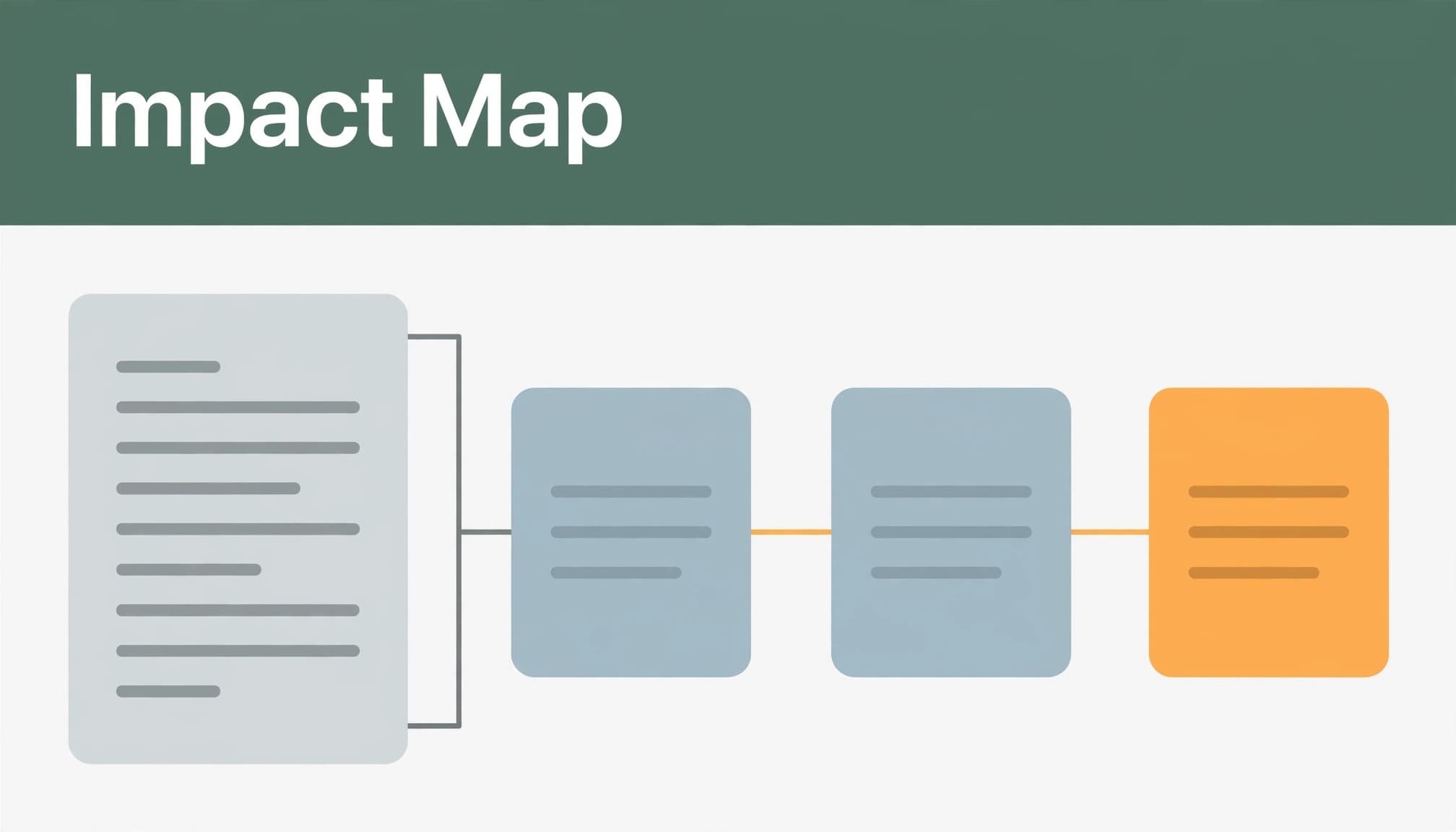
The search must also cover reusable content: onboarding guides, troubleshooting pages, canned replies, and chatbot knowledge sources. One outdated instruction may appear in several places.
Priority should reflect the consequences of error as well as audience size.
Priority | Typical impact | Publication treatment |
|---|---|---|
Critical | Security, billing, data loss, or blocked account access | Resolve before affected instructions remain available |
High | A common task fails or requires different permissions | Coordinate correction with release availability |
Routine | Cosmetic changes with no task failure | Batch into scheduled maintenance |
A low-traffic security article can outrank a popular introductory guide. Traffic measures exposure, while task failure and potential harm determine the seriousness of stale instructions.
3. Use AI to Analyze Gaps and Draft Bounded Revisions
Ask questions that expose missing coverage
For writers, AI writing works best as a thinking partner before it becomes a text generator. It can organize scattered release notes into an outline and brainstorm ideas for perspectives to check. It can also examine a change through administrator, agent, and end-customer perspectives.
Strategic questions include: Which prerequisites changed? Which recovery instructions are now missing? Which customer role sees a different interface?
Competitor investigation and research can suggest coverage ideas, such as setup, permissions, or troubleshooting. These sources can't establish facts about another product. Use them to identify unanswered customer questions, not to copy wording or import unsupported capabilities.
Request targeted edits, not wholesale regeneration
Good prompting sets an evidence boundary. Ask for a bounded draft of only the affected prerequisites and numbered steps. Preserve approved terminology, URLs, warnings, dates, eligibility rules, and prices. Return a change summary and identify every unsupported claim.
Then challenge the revision: Where is it vague? Which passages repeat information? Where would a tested example explain an exception?
Prompting improves through practice. Editors can keep a prompting log of which prompts expose real defects and reuse those patterns. Our guidance on testing AI rewrites for meaning drift addresses revisions that sound clearer while changing the underlying claim.
4. Update Steps, Screenshots, and Recovery Instructions Together
Writers should test revised instructions in a non-production environment that matches the documented plan, permissions, and interface. Executing the task gives the reviewer direct experience with the workflow, and each instruction needs an observable result.
Prerequisites belong before the first action. Warnings about deletion, billing, or access changes belong before the consequential step. Troubleshooting should explain recovery rather than repeat the original sequence.
Screenshots need the same review as prose. Changed navigation can invalidate an image even when the feature itself still works. Replace obsolete captures, remove personal information, and update alternative text and callouts. Text instructions must remain usable without the image.
Product variants also matter. GitHub's documentation versioning guidance explains that its versions reflect differences in interface and functionality across product offerings. Help centers need an equally explicit account of applicability.
During staged rollouts, both interfaces may remain valid. Separate instructions by availability instead of replacing an older workflow prematurely.
The final language pass should preserve the help center's established voice, structure, and flow. Empathetic wording can acknowledge a blocked task, but an expressive opening shouldn't delay the solution or imply an unapproved promise.
5. Validate With Subject-Matter Experts
Assign reviewers by decision
Engineering should apply its technical expertise to review technical behavior and exceptions. Product should apply its product expertise to approve availability and intended scope. Support should assess whether customers can complete the task and recover when it fails.
Billing, security, or legal policy requires the responsible policy owner. A general editorial approval can't substitute for those decisions.
Each reviewer needs a focused change comparison, supporting evidence, and a clear approval request. Freelancers assisting with revisions need the same materials and approval requirements as other contributors. Sending the full regenerated text without highlighted changes makes factual drift harder to detect.
Require evidence of successful execution
A reviewer should follow the revised instructions under the stated conditions and record the outcome. Approval needs a name, date, tested environment, and revision.
Before publication, the editor should complete this final sequence:
Execute every changed step and compare the result with the article.
Match consequential claims to approved evidence.
Review warnings, links, screenshots, and accessibility.
Record approvals and resolve outstanding blockers.
Unsupported behavior is a publication blocker, even when the prose reads well. AI can flag claims for authentication, but ChatGPT and other models can produce inaccurate instructions. Another model's agreement doesn't establish that the task works.
6. Publish With Version Control and a Rollback Path
The publication record should retain the previous version, revised text, changed assets, release reference, and approvals. A Git pull request or a help-center system with revision history can hold that record.
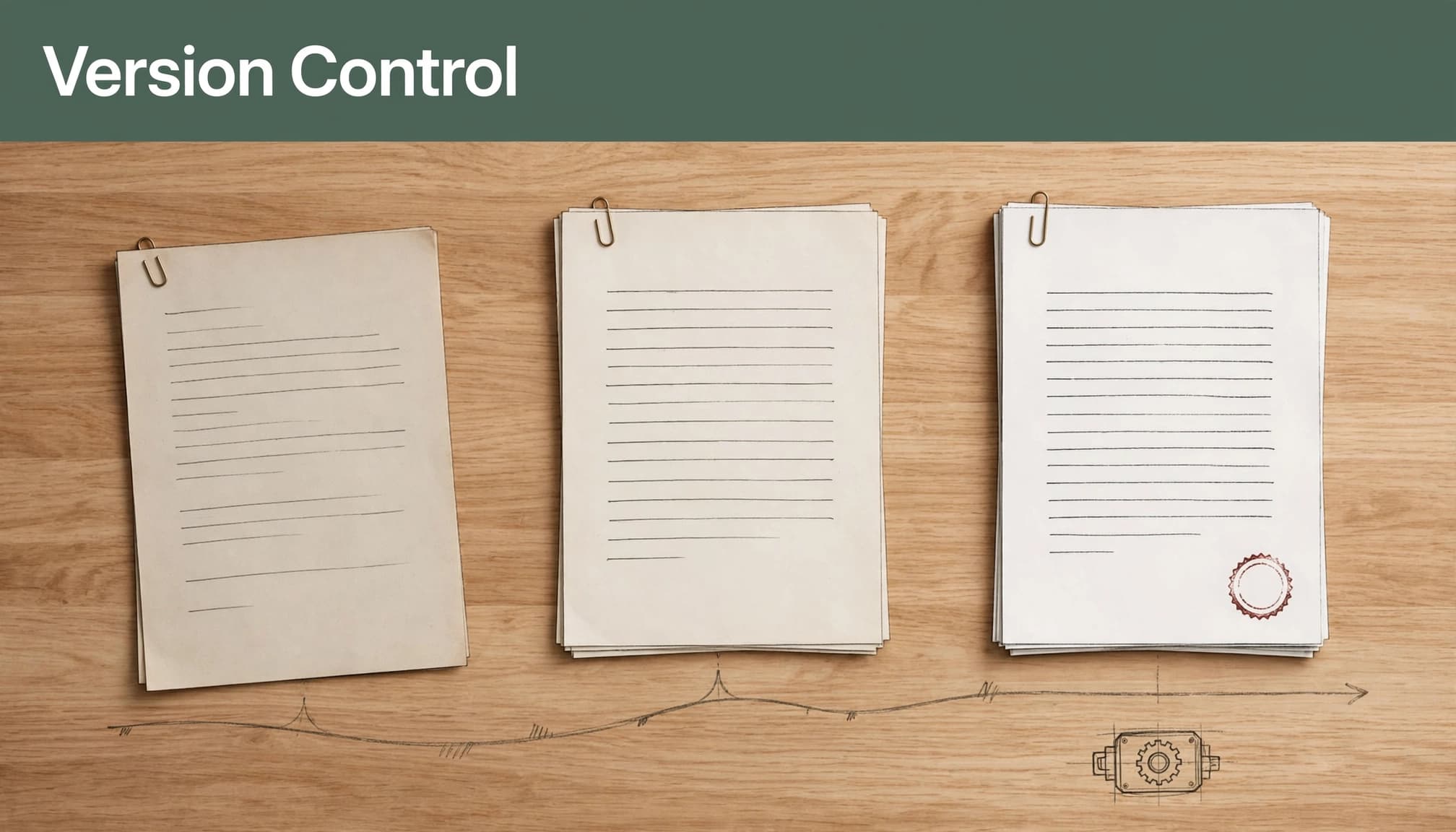
Revision history and product-version documentation solve different problems. History records editorial changes; versioned documentation preserves instructions for supported product variants. For MkDocs sites, mike's version-management utility provides a concrete option for deploying multiple documentation versions.
The release record should also identify who can restore the earlier page and its assets. Our guidance on AI content version history covers traceable revisions and approvals.
Publication should preserve existing URLs unless the task has changed enough to require a different destination. Deleted pages need appropriate redirects. A final link audit should preserve internal links during rewrites.
If a blog post summarizes the same change, align its claims with the approved release record. Keep task instructions on the help page.
After publication, inspect the live page. Translation jobs, search indexes, caches, and chatbot retrieval sources may require separate updates before customers receive the revised answer.
7. Prevent Outdated Articles From Recurring
Documentation maintenance should begin inside the release process. Every customer-visible change needs an impact assessment and a named content owner. A decision that no update is needed should include a reason.
A shared article-to-feature register makes future searches less dependent on memory. It should include reusable snippets, screenshots, localized versions, and the source pages that feed support automation.
Automation can flag changed interface strings, broken links, or articles connected to a modified feature. These signals create review candidates; they don't establish that every flagged page needs rewriting.
Scheduled reviews provide a second line of defense. Fast-changing billing and access instructions deserve more frequent review than stable conceptual material. Customer searches with no useful result offer one set of insights; repeated tickets and failed chatbot answers provide complementary insights. These signals can expose gaps between scheduled reviews.
Useful measures include the delay between release and validated publication, the number of overdue high-risk pages, and repeat incidents caused by stale guidance. Readability scores and detector results don't measure whether a customer can complete the task.
Frequently Asked Questions
Can AI identify every affected article?
No. AI can match terminology and infer relationships, but it may miss screenshots, shared snippets, translations, or workflows described with different language. Feature tagging and human review reduce those omissions. A model-generated impact list should remain a candidate list until an editor reviews it.
Does an AI detector establish article quality?
No. Detector scores don't establish factual accuracy, current product behavior, or successful task completion. They also don't reliably prove authorship. Publication decisions should rest on evidence, task testing, and recorded approval, rather than whether prose resembles AI output. Editing should improve clarity without changing technical meaning.
Accurate Help Content Needs a Release Process
AI-generated help articles stay useful when documentation changes follow the same discipline as product changes: defined scope, evidence, testing, and accountable approval. Faster drafting only helps when the resulting instructions remain correct.
The durable control is traceability. A published instruction should have a clear connection to supported product behavior, a responsible reviewer, and a recoverable revision record.